A claim is not evidence
Don't describe the tail. Open it.
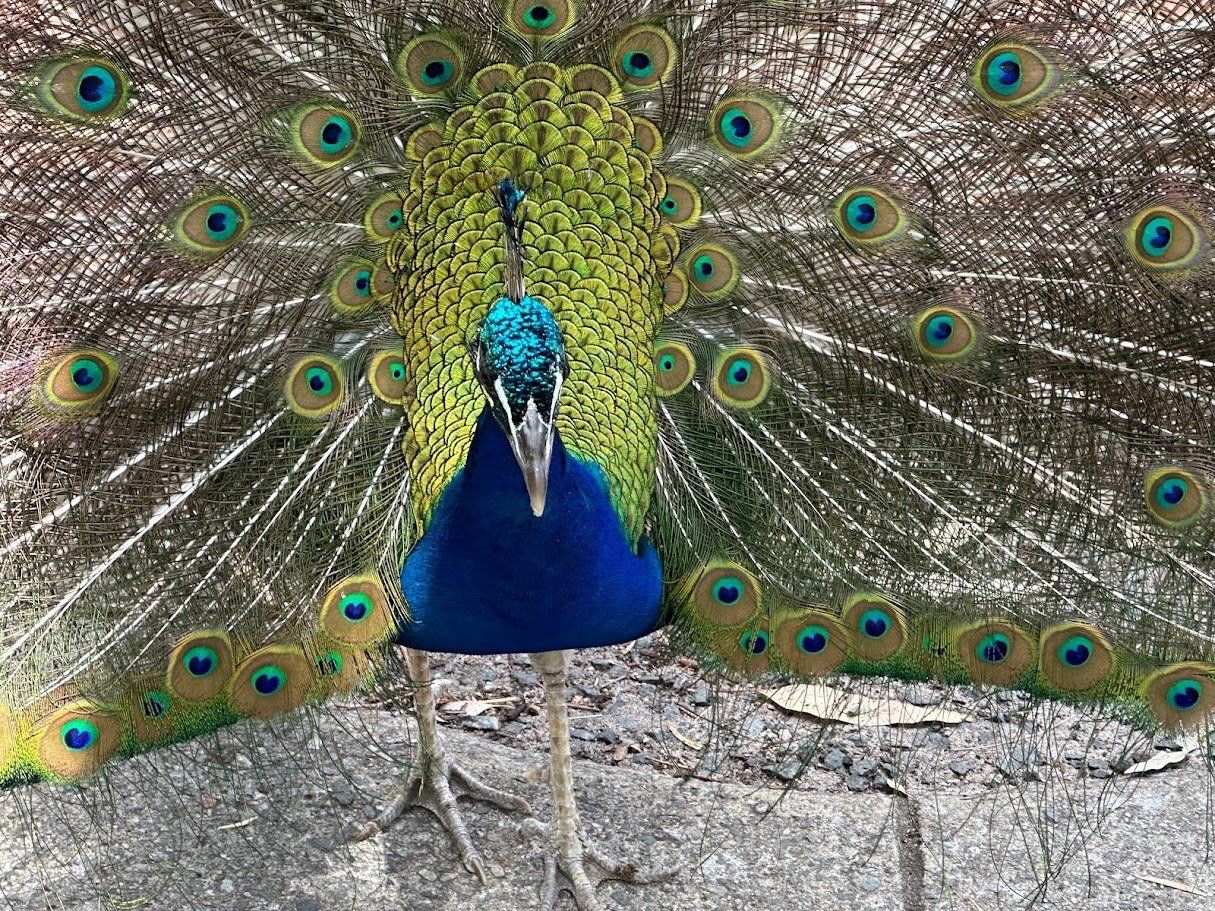
A peacock doesn't tell anyone he's in good shape. He opens his tail and lets them look.
Most tender answers do the opposite.
"Company ABC is fully versed in the requirements."
An evaluator reads that sentence and writes nothing in the scoring column. It proves nothing.
Every bidder says it. The sentence sits in any response, for any business, in any industry.
What the buyer is afraid of
The buyer is spending public money. If the supplier fails, the buyer answers for it. So the buyer reads every answer looking for one thing: is this real?
A statement asks the buyer to trust you. Proof lets the buyer check you. Government buyers are paid to check.
The kinds of proof buyers respond to
Evidence comes in a few forms. Each one answers a different fear.
A transition plan proves you can start on day one. A project plan proves you have thought about the order of work. A Gantt chart proves you know how long things take. A case study proves you have done this before. A testimonial proves someone else will say so.
Compare two answers to the same question about staff absence. The first says: "We have a large pool of trained staff available at short notice."
The second shows who covers each shift when a person calls in sick, and who rings them.
The first is a promise. The second is a system.
Why this is hard to do alone
You know your business is good. You have watched it work for years. That knowledge sits in your head, and the evaluator cannot reach it.
Most owners write what they know. Evaluators score what they can see. The gap between those two is where tenders are lost.
I tell clients the same thing at the start of every job. We cannot make it up. The better the raw material, the better the position. A beautifully told story with nothing real under it scores badly.
A quick test
Read any answer in your last response. Cover the adjectives with your hand. What is left? If the answer collapses, the claim had no proof under it. If it still stands, you gave the buyer something to check. That's the tail, fully open.
Upon contract award, the buyer holds you to what you wrote. Proof protects you and the buyer. A plan you can show is a plan you can deliver.
The short version
- A claim asks for trust. Proof lets the buyer check.
- Plans, records, case studies and testimonials each settle a different fear.
- Evaluators score what they can see on the page.
- If an answer collapses without its adjectives, it needs proof.
Do one thing today. Take your strongest claim and write down the document that would prove it. If that document does not exist yet, you have found your next job.